Best Books on Charisma and Charm
Seven books on charisma and charm, grouped into presence, conversation and influence, from The Charisma Myth and Quiet to How to Win Friends and Influence People and Talk Like TED, with a note on what can be learned.
Most of us can think of someone who makes a room feel easier: they listen closely, put people at ease and seem to have a natural way with others. It is tempting to call that a gift, and in part it may be. But several well-known books argue that much of what we call charisma and charm is made of habits that can be practised, such as attention, warmth, good questions and clear speaking.
This list gathers seven books on the subject and groups them into three themes: presence, conversation and influence. For each book we give the core idea, a ‘play’, a 30-day test, who it suits and one honest weakness. We have also included the introvert angle, since charm is not only for extroverts. There is a quick-pick table, a note on what can and cannot be learned, a suggested reading order and some frequently asked questions.
How we chose
We looked for books that are widely read, readable and practical, and that approach the subject from different directions: how to carry yourself, how to talk to people and how to persuade and connect. We included a book that takes a quieter view of social life, so that the list does not assume that everyone wants to be the centre of the room. The list has seven books, and the quick-pick table can help you choose a starting point.
Quick-pick table
| If you want… | Start with | Theme |
|---|---|---|
| A practical guide to presence and warmth | The Charisma Myth | Presence |
| A view that respects quieter temperaments | Quiet | Presence |
| A classic on getting along with people | How to Win Friends and Influence People | Conversation |
| Specific conversation techniques | How to Talk to Anyone | Conversation |
| Social skills advice with a research angle | Captivate | Conversation |
| To speak more compellingly to groups | Talk Like TED | Influence |
| To build lasting relationships | Never Eat Alone | Influence |
Most of these books take the view that the building blocks of charm are skills: paying real attention, showing interest, speaking clearly and being comfortable enough to be yourself. That does not mean everyone will become the same kind of person. Style differs, and a calm, thoughtful presence can be just as effective as an energetic one. A useful aim is to become more at ease with people, rather than to copy someone else.
Presence
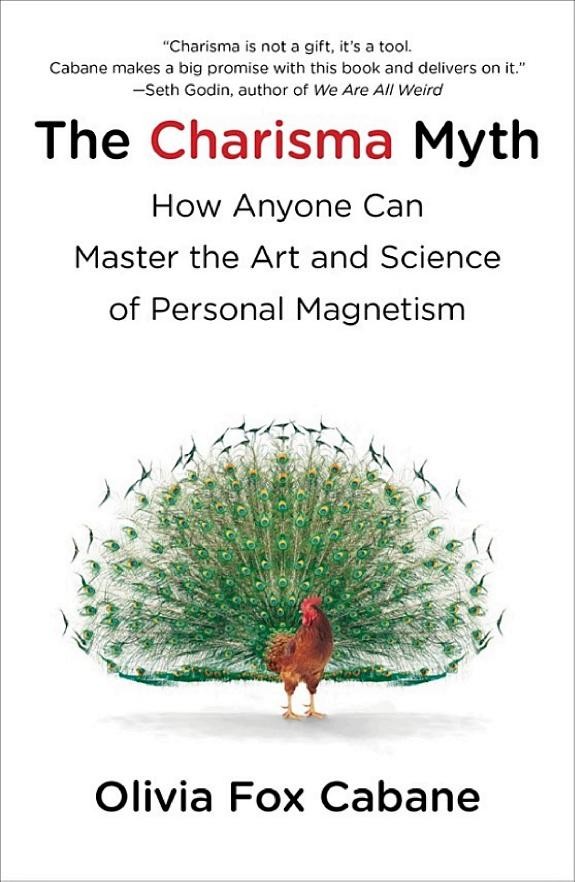
1. The Charisma Myth by Olivia Fox Cabane
THE IDEA: Cabane argues that charisma can be learned and breaks it into three parts: presence, power and warmth. The book offers exercises for being more present and for managing nerves.
THE PLAY: Next time you talk with someone, try giving them your full attention and notice how it affects the conversation.
THE 30-DAY TEST: If you like, practise one exercise for a few minutes each day for a month, and note whether conversations feel different.
Who it is for: Readers who want an introduction to charisma that also covers inner states such as nerves.
One honest weakness: The exercises take regular practice, and readers who prefer a lighter approach may find them more structured than they need.
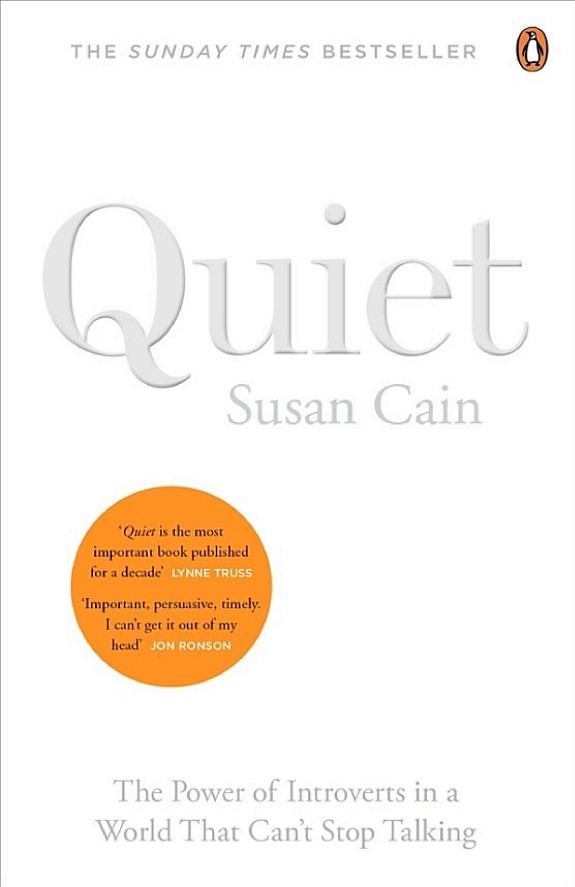
2. Quiet by Susan Cain
THE IDEA: Cain writes about introversion and the strengths of quieter people. Although it is not a charisma manual, it offers a counterweight to the idea that charm means being outgoing.
THE PLAY: Think about the settings where you connect best, such as one-to-one conversations or small groups, and make room for more of them.
THE 30-DAY TEST: You could choose one situation that suits your style and, across the month, notice how you connect there.
Who it is for: Introverts, and anyone whose temperament sits less easily with standard social advice.
One honest weakness: It is about temperament and society more than technique, so it will not give you a list of things to say.
Conversation
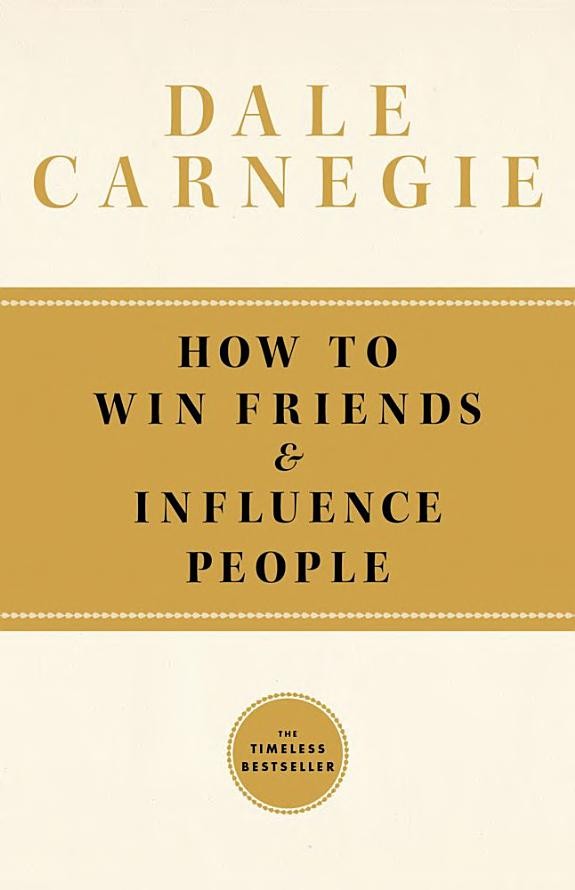
3. How to Win Friends and Influence People by Dale Carnegie
THE IDEA: Carnegie’s widely read guide sets out simple principles for getting along with others, such as taking a genuine interest in people, remembering names and listening well.
THE PLAY: One option is a single principle, such as being curious about the other person, tried in your next few conversations.
THE 30-DAY TEST: Each week could focus on a different principle, with a few notes on what happened.
Who it is for: Suits readers who like short, memorable principles and anecdotes.
One honest weakness: Some of its examples reflect the time it was written in, and a few readers find the word ‘influence’ takes some getting used to.
4. How to Talk to Anyone by Leil Lowndes
THE IDEA: Lowndes collects a long list of specific techniques for conversation, from first impressions to building rapport, presented as short, practical tips.
THE PLAY: Select a technique that appeals to you, use it once in an ordinary conversation and see how it feels.
THE 30-DAY TEST: A tip a week is a gentle pace, and you can note which ones feel natural to you and which do not.
Who it is for: Good for readers who like a list of things to try and a book to dip into.
One honest weakness: With so many techniques, some will feel more natural than others, and some may feel less natural if used word for word.
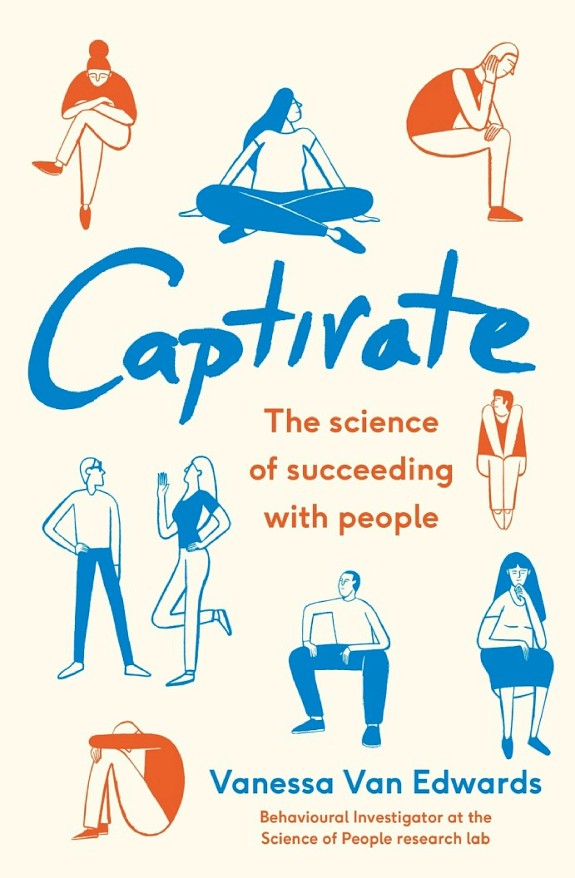
5. Captivate by Vanessa Van Edwards
THE IDEA: Van Edwards draws on research to offer advice on first impressions, conversation and body language in social and work settings.
THE PLAY: Start by noticing how you usually begin conversations, then consider one small change, such as a more open greeting.
THE 30-DAY TEST: Across four weeks, you could take one new idea each week and ask yourself how it felt.
Who it is for: Anyone curious about the research side of social skills advice.
One honest weakness: It covers a lot of ground briefly, so the suggestions work best as experiments to try.
Influence
6. Talk Like TED by Carmine Gallo
THE IDEA: Gallo analyses many popular TED talks, draws on interviews with speakers and researchers, and offers lessons about storytelling, delivery and ideas that people remember. It is a guide to speaking with more impact to a group.
THE PLAY: Pick an idea you care about and try explaining it as a short story.
THE 30-DAY TEST: You might practise a two-minute talk once a week for a month, perhaps with a friend who can give feedback.
Who it is for: Anyone who presents or speaks to groups and wants a structure for doing it well.
One honest weakness: It is focused on formal talks, so it will help less with everyday conversation.
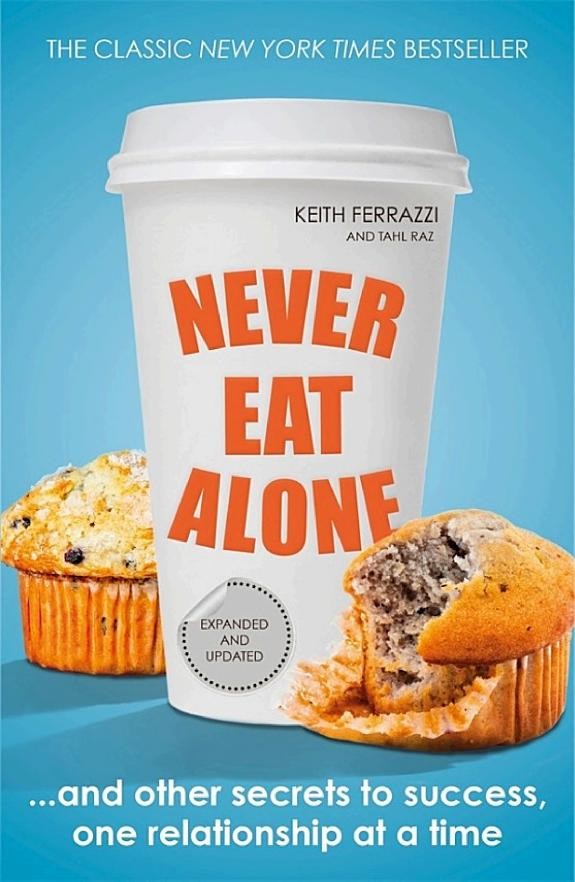
7. Never Eat Alone by Keith Ferrazzi
THE IDEA: Ferrazzi writes about building relationships deliberately and generously over time, and encourages readers to approach networking with generosity.
THE PLAY: Each week, look for a way to be useful to someone in your network, such as an introduction or a piece of encouragement.
THE 30-DAY TEST: A friendly pace is one message or conversation a week for a month, offering something helpful.
Who it is for: Professionals who want to build relationships on purpose.
One honest weakness: The style is energetic and business-oriented, and some suggestions will suit outgoing people better than reserved ones.
A suggested reading order
- Begin with The Charisma Myth for a framework of presence, power and warmth.
- Read Quiet if you want to make sure your approach suits your own temperament.
- Add How to Win Friends and Influence People and How to Talk to Anyone for the everyday skills of conversation.
- Try Captivate for a look at first impressions and body language that draws on research.
- Finish with Talk Like TED and Never Eat Alone when you want to speak to groups and build lasting relationships.
Related guides on CROWNLEIGH
A few of our other CROWNLEIGH Book Club guides connect closely with this list:
- More reading after a classic of people skills, in our guide to books like How to Win Friends and Influence People.
- Presence and temperament, in our guide to Quiet and The Charisma Myth.
- Two classics on conversation, in our guide to How to Win Friends and Influence People and How to Talk to Anyone.
- Noticing cues in other people, in our guide to books on reading people and body language.
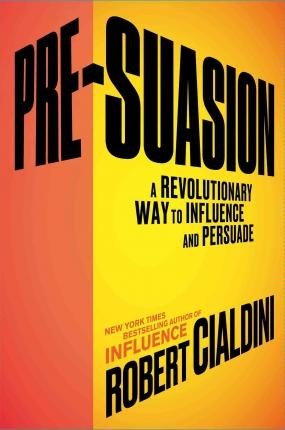
- How persuasion works, in our guide to Influence and Pre-Suasion.
You can find all of these, and more as we add them, on our CROWNLEIGH Book Club page.
Frequently asked questions
Can charisma be learned?
Most of the authors here believe that much of it can. Skills such as paying attention, showing warmth and speaking clearly can be practised, while personality and style will always differ from person to person. The Charisma Myth makes the case directly, and Quiet reminds readers that there is more than one way to connect.
What is the best book on charisma?
It depends on what you want. For a framework of presence, power and warmth, try The Charisma Myth. For classic everyday advice, try How to Win Friends and Influence People. For a book that fits a quieter temperament, try Quiet.
Is The Charisma Myth worth reading?
Some readers find it a practical and approachable introduction, and it is a good starting point if you want exercises as well as ideas. As with any self-improvement book, how much you get from it depends on how much you practise. Our comparison with Quiet may help you decide.
A closing thought
The books here differ in style, but they share a hope: that being at ease with other people is a skill you can grow. You might pick one idea, try it gently and keep what suits you. The goal is to become a more attentive and comfortable version of yourself.
Book links go to Amazon; see our advertising disclosure.