Books on Reading People and Body Language
Seven books on reading people, body language and emotional cues, from What Every BODY Is Saying and Captivate to Mindwise and Emotional Intelligence, arranged in three levels with a careful note on what such reading can and cannot tell you.
Most of us make constant, quick judgements about other people: whether they are comfortable, interested, anxious or sincere. A good deal of that happens without much thought, through tone of voice, posture, facial expression and what is left unsaid. A number of books aim to make this skill more deliberate, and others ask how reliable it really is. This list brings together seven of them and arranges them in three levels, from accessible starting points to deeper and more critical reading.
For every book we give the core idea, a ‘play’, a 30-day test, who it suits and one honest weakness. There is also a quick-pick table, a note on the limits of reading people, a suggested reading order and some frequently asked questions.
How we chose
We looked for books that are widely read and that approach the subject from different directions: practical guides to body language, research on social perception and broader works on emotions and human behaviour. We favoured readability, and we included at least one book that asks how accurate our judgements about others really are. The list has seven books, and you can use the quick-pick table to find a starting point.
Quick-pick table
| If you want… | Start with | Level |
|---|---|---|
| A quick, practical introduction | Read People Like a Book | 1 · Starting out |
| Social skills with a research flavour | Captivate | 1 · Starting out |
| To understand emotions in yourself and others | Emotional Intelligence | 2 · Building understanding |
| To spot recurring patterns in how people interact | Games People Play | 2 · Building understanding |
| A detailed guide to nonverbal cues | What Every BODY Is Saying | 3 · Going deeper |
| A careful look at how well we understand others’ thoughts | Mindwise | 3 · Going deeper |
| To understand motives and behaviour | The Laws of Human Nature | 3 · Going deeper |
Reading people is better thought of as forming hypotheses than as detecting facts. Gestures and expressions can mean different things to different people, in different cultures and in different moments, and a single cue rarely tells you what someone is thinking. Be cautious about any promise of reliable lie detection, and treat what you notice as a prompt to ask a question or pay closer attention. Used this way, the skill can help you be a better listener and a more considerate colleague.
Level 1: Starting out
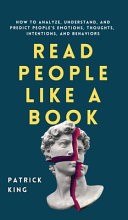
1. Read People Like a Book by Patrick King
THE IDEA: A practical introduction to noticing and interpreting cues such as body language, speech and behaviour, written as an accessible guide for general readers.
THE PLAY: Pick one habit to try, such as noticing how a person’s manner changes when the topic changes, and keep your conclusions loose.
THE 30-DAY TEST: Each week for a month, you could try one observation exercise, then compare what you noticed with what people told you.
Who it is for: Newcomers to the subject who want an easy-to-read overview.
One honest weakness: Introductory books like this offer simple rules of thumb, so its suggestions are best treated as starting points rather than firm conclusions.
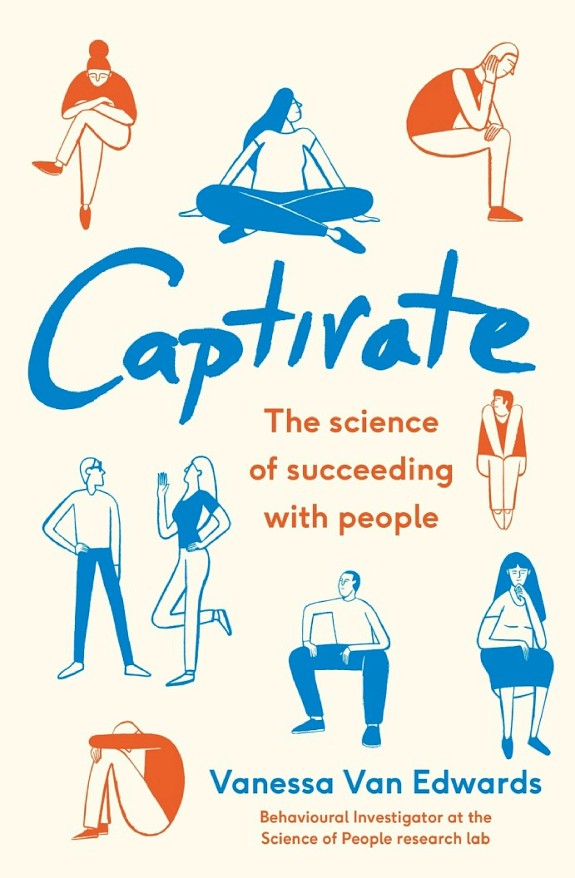
2. Captivate by Vanessa Van Edwards
THE IDEA: Van Edwards offers a practical guide to understanding people and making a good impression, drawing on her work as a behavioural investigator. It covers first impressions, conversation and body language in social and work settings.
THE PLAY: Notice how you start a conversation, and consider trying one small change, such as being more curious about the other person.
THE 30-DAY TEST: Across the month, you could try one idea from the book each week and note how it felt for you and for the other person.
Who it is for: A good fit if you want social skills with a research flavour.
One honest weakness: As a popular guide, it condenses a good deal of research, so the suggestions work best as experiments.
Level 2: Building understanding
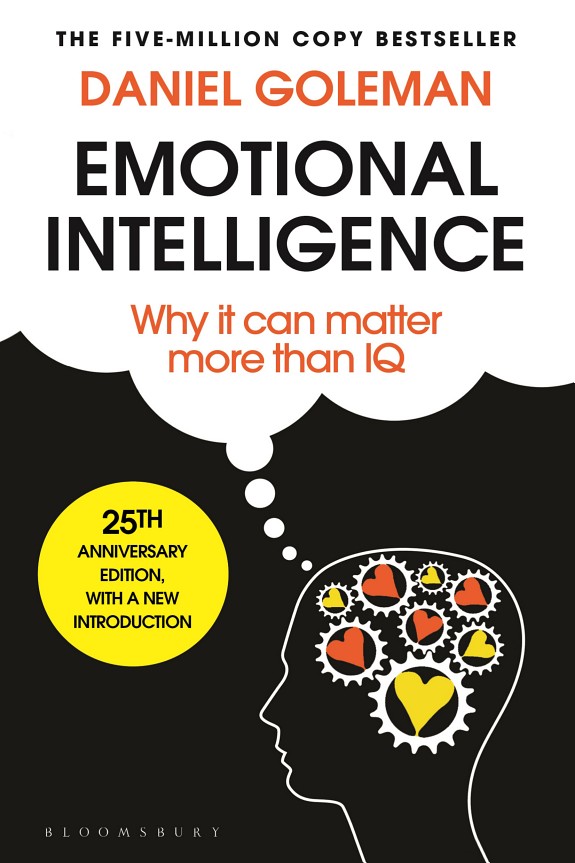
3. Emotional Intelligence by Daniel Goleman
THE IDEA: Goleman’s book explores the skills behind emotional awareness, including self-awareness, empathy and managing one’s own feelings. It frames reading others as part of a wider set of emotional skills.
THE PLAY: Before judging how someone else feels, check in with how you are feeling, since your own state shapes what you notice.
THE 30-DAY TEST: Choose a moment each day to name what you are feeling, and see whether it changes how you read the people around you.
Who it is for: Anyone who wants the thinking behind good social judgement, not only the tips.
One honest weakness: It is broad rather than a step-by-step guide, so readers looking for exercises may want to pair it with a more practical book.
4. Games People Play by Eric Berne
THE IDEA: Berne’s classic describes recurring patterns in how people interact, using the ideas of transactional analysis. Reading it can make familiar social dynamics easier to name.
THE PLAY: When a conversation keeps going the same way, consider whether you and the other person are following a familiar script.
THE 30-DAY TEST: If it appeals, spend a month noticing one recurring pattern in your interactions and consider how a different response might change it.
Who it is for: Readers who enjoy looking at the dynamics beneath everyday exchanges.
One honest weakness: The book is rooted in a particular school of psychology and a particular era, so some of its language reads as of its time.
Level 3: Going deeper
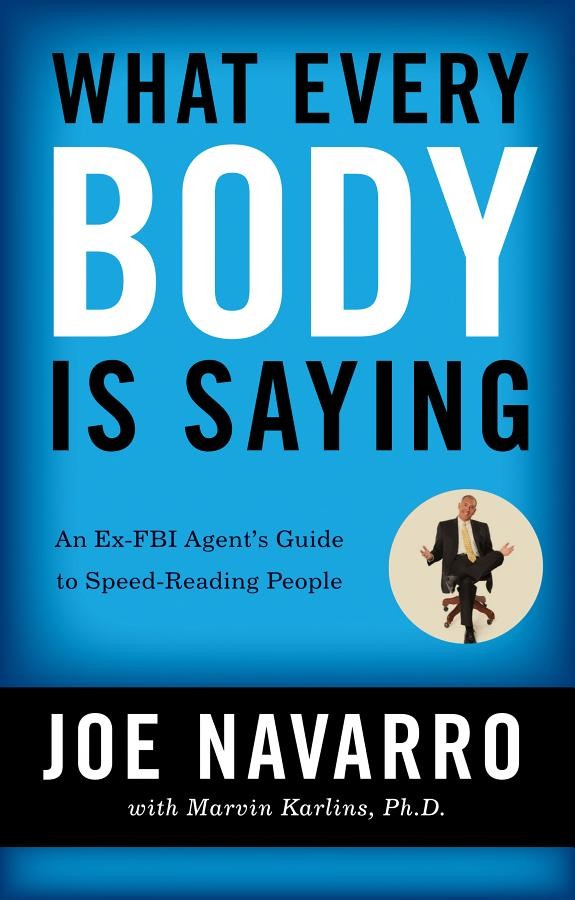
5. What Every BODY Is Saying by Joe Navarro
THE IDEA: Navarro, a former FBI agent, offers a detailed guide to nonverbal behaviour. It encourages readers to observe carefully, to look for changes from a person’s usual behaviour and to treat cues as clues rather than proof.
THE PLAY: Start by getting a sense of a person’s usual behaviour, so that you can tell when something changes.
THE 30-DAY TEST: Over 30 days, take a few minutes in ordinary settings to observe, and write down what you saw before drawing any conclusions.
Who it is for: Suited to readers who want a detailed, observation-based guide to nonverbal communication.
One honest weakness: As with any guide to nonverbal cues, it helps to remember that a cue can have many possible explanations.
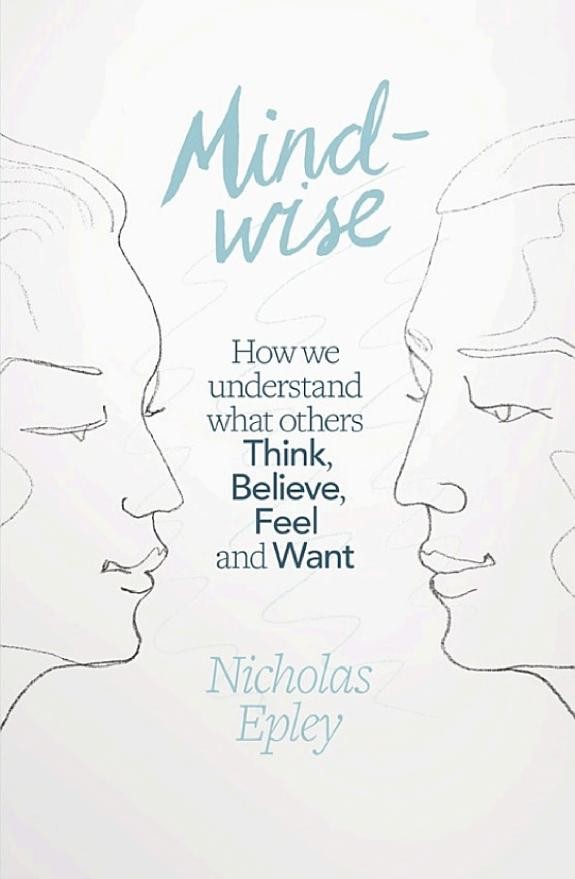
6. Mindwise by Nicholas Epley
THE IDEA: Epley, a psychologist, examines how well people understand one another’s thoughts and feelings. He argues that we often feel more confident in our readings of others than the evidence supports.
THE PLAY: Once you have a view of what someone thinks, consider asking them. Their answer may tell you more than your guess.
THE 30-DAY TEST: Over the month, check a few of your guesses about other people’s thoughts or feelings by asking, and note how often they matched.
Who it is for: Helpful if you would like a research-based, more cautious view of reading people.
One honest weakness: It is more about the limits of social understanding than about techniques, so it will not give you a list of cues to learn.
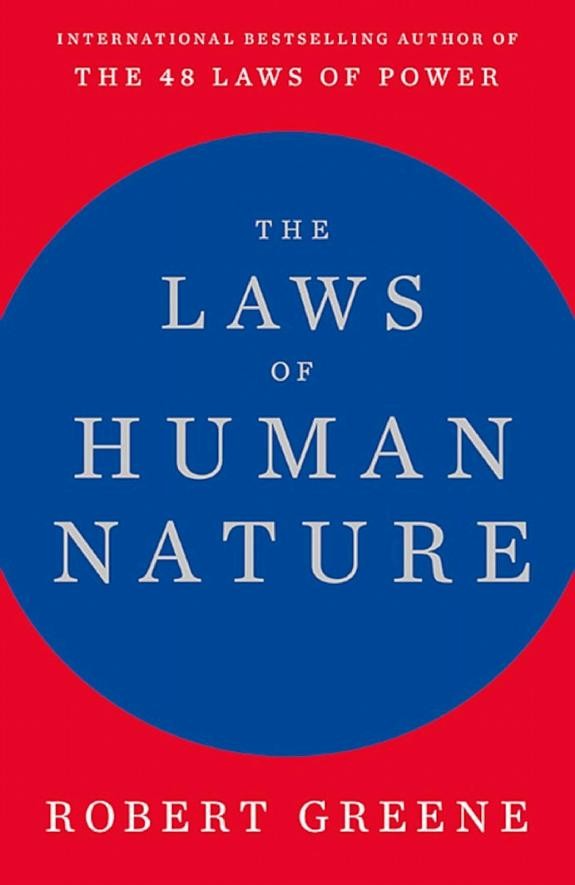
7. The Laws of Human Nature by Robert Greene
THE IDEA: This book looks at patterns behind how people think, react and relate, and aims to help readers see motives more clearly, including their own.
THE PLAY: Next time someone’s behaviour surprises you, ask what need or concern might lie behind it.
THE 30-DAY TEST: Take one relationship and try describing the other person’s motives in a way they would accept as fair.
Who it is for: Readers who enjoy a wide-ranging book about human behaviour.
One honest weakness: Its broad statements about human nature are best taken as one thoughtful perspective.
A suggested reading order
- Begin with Read People Like a Book or Captivate for an accessible introduction.
- Read Emotional Intelligence to place the skill in the context of your own emotions and empathy.
- Take on What Every BODY Is Saying for a more detailed look at nonverbal cues.
- Read Mindwise to balance what you have learned with a careful look at how reliable our judgements are.
- Add Games People Play and The Laws of Human Nature when you want to think about patterns and motives.
Related guides on CROWNLEIGH
A few of our other CROWNLEIGH Book Club guides connect closely with this list:
- More books on people skills, in our guide to books like How to Win Friends and Influence People.
- Presence and temperament, in our guide to Quiet and The Charisma Myth.
- Emotional skills, in our guide to Emotional Intelligence and Emotional Intelligence 2.0.
- Understanding human behaviour, in our guide to The 48 Laws of Power and The Laws of Human Nature.
- The limits of judgement, in our guide to Thinking, Fast and Slow and Noise.
You can find all of these, and more as we add them, on our CROWNLEIGH Book Club page.
Frequently asked questions
What is the best book on body language?
It depends on your level. For an accessible introduction, try Read People Like a Book or Captivate. For a more detailed guide to nonverbal cues, try What Every BODY Is Saying.
Can you really read people’s minds?
Not in the literal sense. You can notice cues and form reasonable guesses, and with attention and practice those guesses can improve. Research discussed in Mindwise suggests that we are often more confident than we should be about what others think, so it helps to treat what you notice as a question to explore, not a conclusion.
Is Read People Like a Book worth it?
It is an accessible introduction, and many readers like it as a first step. If you want more depth or more research, you may want to follow it with a book such as Emotional Intelligence or What Every BODY Is Saying.
A closing thought
The most useful habit these books have in common is paying attention. Whatever you read, you might use it to listen more carefully, to ask better questions and to hold your first impressions a little more lightly.
Book links go to Amazon; see our advertising disclosure.