Books Like How to Win Friends: 9 to Read Next
Nine books to read after Dale Carnegie’s How to Win Friends and Influence People, from How to Talk to Anyone and Never Eat Alone to Give and Take and Quiet, each with how it is similar, how it differs and who it suits.
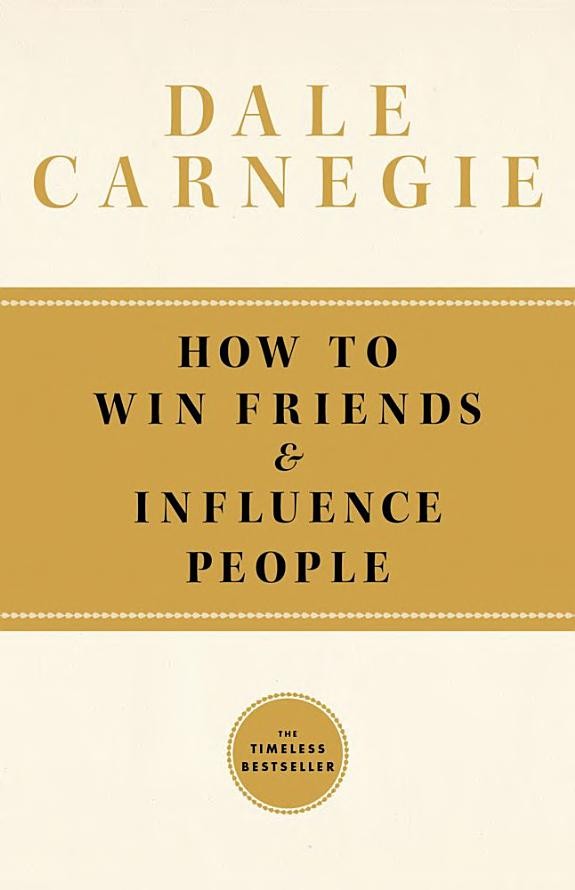
Dale Carnegie’s How to Win Friends and Influence People is a widely read book on getting along with people. Its advice is simple to remember and to try: take a real interest in others, remember names, listen properly, avoid arguments for their own sake and let people feel that their opinions matter. It reads less like a theory than a set of habits, illustrated by short anecdotes. If you finished it wanting more practical thinking about conversation, relationships and influence, this list is for you.
The books below are ordered roughly by how close a match they are, from the nearest neighbours to those that approach people skills from a different angle. Each has a short note on why it is similar, how it differs, who it suits and a ‘difficulty’ tag, plus a ‘play’: one small thing to try. We have also added a comparison table and a ‘what to read next’ guide by goal.
If you want a modern, practical follow-up, begin with How to Talk to Anyone, which is built around specific things to say and do in conversation. If you would like a more research-based look at presence and warmth, try The Charisma Myth. And if you would like a book about building relationships over years, try Never Eat Alone.
Why people love How to Win Friends and Influence People
The book’s appeal is its plainness. The principles are short, the examples are concrete and the tone is encouraging, so readers can pick one idea, try it that day and see what happens. Much of its advice is about attention: being curious about the other person, letting them talk and showing appreciation honestly. Because it was written for a different era, some of the examples can feel dated, and a few readers find the tone of ‘influence’ uncomfortable. Others read it simply as a reminder to treat people with respect.
Nine books to try next
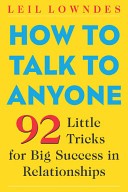
1. How to Talk to Anyone by Leil Lowndes
Difficulty: Easy
Why it is similar: Like Carnegie, Lowndes writes a practical, tip-driven guide to dealing with people, with many short techniques to try in real conversations.
How it differs: The advice is more tactical, with a long list of specific techniques that run from first impressions and small talk to rapport and phone calls. Carnegie’s book is more about attitude and underlying principles.
Who it suits: Readers who like a list of things to try and a book they can dip into.
THE PLAY: You could pick one technique from the book and use it in your next conversation, then notice how it felt.
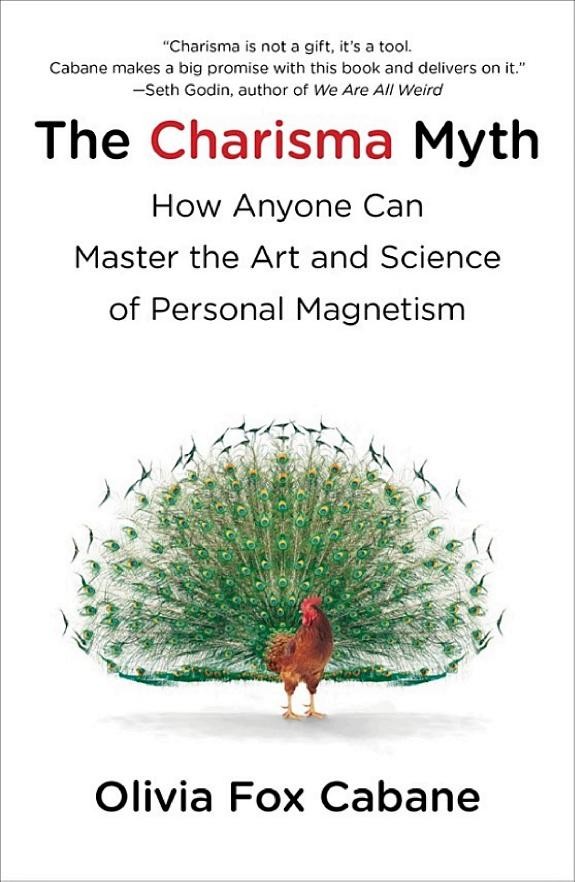
2. The Charisma Myth by Olivia Fox Cabane
Difficulty: Easy to moderate
Why it is similar: Both books pay attention to how people come across and how they make others feel, and this one adds practical exercises for everyday situations.
How it differs: Charisma is the focus, which the author breaks down into presence, power and warmth. It draws on psychology research and includes techniques for managing nerves, rather than mainly principles for treating people well.
Who it suits: Those who want a more modern, research-informed look at presence and confidence.
THE PLAY: In a conversation this week, you might give the other person your full attention and notice whether anything changes.

3. Never Eat Alone by Keith Ferrazzi
Difficulty: Easy to moderate
Why it is similar: Carnegie’s readers may recognise its theme of building real relationships and being generous with your time and contacts.
How it differs: Networking and career relationships are the subject, with a business tone and advice on building a network over the long term. It is more focused on professional life than Carnegie’s general principles.
Who it suits: Professionals who want to build relationships on purpose, and who like a business-book style.
THE PLAY: If you like, think of someone you have lost touch with, and consider whether there is something useful you could share with them.
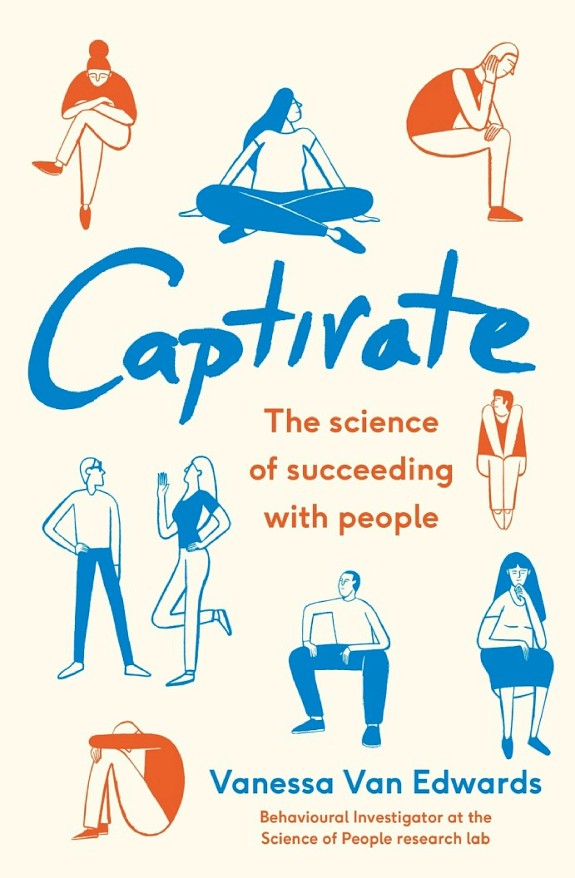
4. Captivate by Vanessa Van Edwards
Difficulty: Easy
Why it is similar: Van Edwards also offers practical ideas for getting along with people, in both social and work situations.
How it differs: The author draws on research from psychology and behavioural science, as well as her own work as a behavioural investigator, to cover first impressions, body language and conversation. It is more data-minded than anecdotal.
Who it suits: Readers who like to see the research behind social advice.
THE PLAY: You might notice how you start your next conversation, and think about one small change to try.
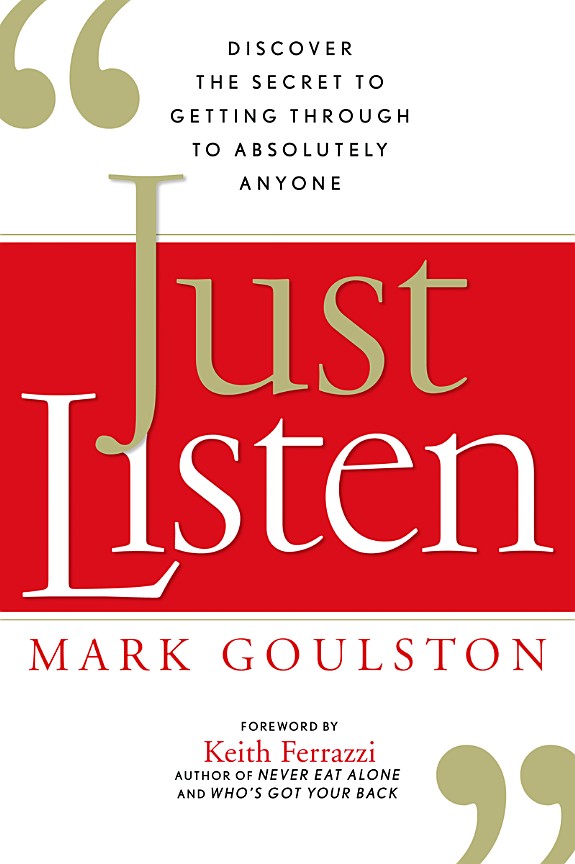
5. Just Listen by Mark Goulston
Difficulty: Easy to moderate
Why it is similar: Listening is a core theme in Carnegie’s book, and Goulston develops it in detail, with a focus on reaching people who are resistant or upset.
How it differs: The author is a psychiatrist, and the book draws on his professional experience. It concerns difficult conversations more than everyday friendliness.
Who it suits: Anyone who often finds themselves trying to persuade, calm or understand someone else.
THE PLAY: Perhaps, in a disagreement, you could repeat back what the other person said before replying.

6. Emotional Intelligence by Daniel Goleman
Difficulty: Moderate
Why it is similar: Goleman examines the skills behind good relationships, such as self-awareness, empathy and handling emotions, which sit underneath much of Carnegie’s practical advice.
How it differs: This is a research-based, wider account of emotional skills in life, work and learning, with less of the ‘how to’ tone. It is more about understanding than technique.
Who it suits: Readers who want the thinking behind people skills, as well as the tips.
THE PLAY: It may be worth noticing a moment when an emotion shaped how you spoke, and wondering what you might have said otherwise.
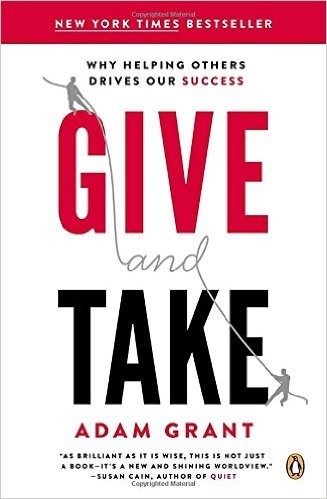
7. Give and Take by Adam Grant
Difficulty: Moderate
Why it is similar: The idea that helping others can be part of a successful life and career echoes Carnegie’s emphasis on generosity and interest in people.
How it differs: The book sorts people into givers, takers and matchers and draws on research and case studies from work. It is more analytical, and it considers when generosity can go wrong as well as when it pays off.
Who it suits: Readers who like research and stories about how people work together.
THE PLAY: You might ask yourself which of the three styles you tend to follow at work, and in which situations it changes.
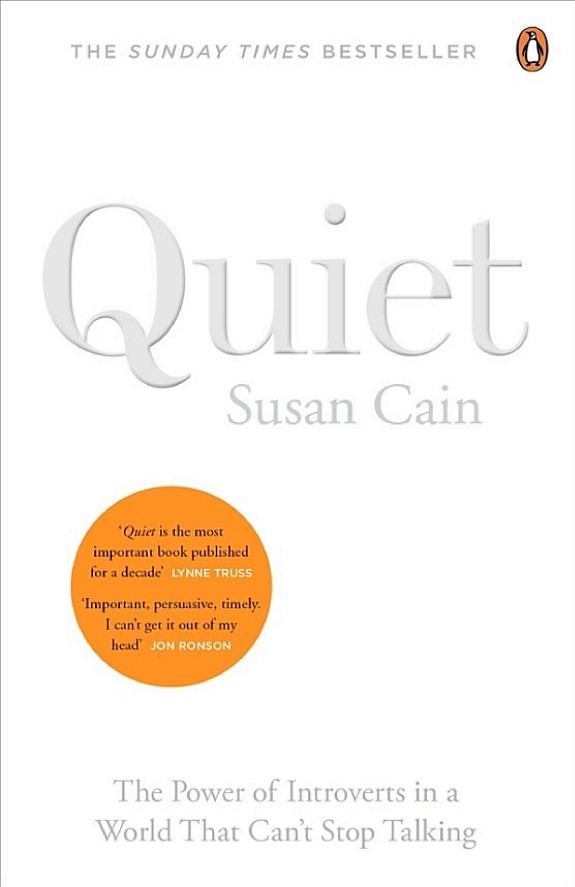
8. Quiet by Susan Cain
Difficulty: Moderate
Why it is similar: Cain also writes about how people interact, and about different ways of being good with others, with respect for different styles.
How it differs: The subject is introversion and temperament rather than technique. It argues that quieter people have strengths that are often overlooked, which is a gentler counterpoint to advice built around being outgoing.
Who it suits: Introverts, and anyone who finds some social advice a poor fit for their personality.
THE PLAY: You could reflect on which social situations suit you best, and whether there is room for a few more of them.
9. How to Stop Worrying and Start Living by Dale Carnegie
Difficulty: Easy
Why it is similar: Written by Carnegie himself, it shares the plain style and the use of short stories and practical rules, this time applied to anxiety and everyday worry.
How it differs: The subject is managing your own worries rather than dealing with other people. It is also a book of its time, so a few examples may feel dated.
Who it suits: Carnegie readers who would like more of his style, with a different subject.
THE PLAY: If it helps, write down one worry and ask yourself what, if anything, can be done about it.
A comparison at a glance
| Book | Closest to How to Win Friends and Influence People in… | Main difference | Difficulty |
|---|---|---|---|
| How to Talk to Anyone | Practical tips for conversation | More tactical, focused on first impressions | Easy |
| The Charisma Myth | How you come across to others | Presence, power and warmth, with research | Easy to moderate |
| Never Eat Alone | Building relationships | Professional networking over the long term | Easy to moderate |
| Captivate | Everyday people skills | Research on first impressions and reading people | Easy |
| Just Listen | Listening | Difficult and resistant conversations | Easy to moderate |
| Emotional Intelligence | The skills behind relationships | A wider, research-based account | Moderate |
| Give and Take | Generosity and interest in others | Givers, takers and matchers at work | Moderate |
| Quiet | Respecting different people | Introversion and temperament | Moderate |
| How to Stop Worrying and Start Living | Carnegie’s style | Managing worry, not people | Easy |
What to read next, by goal
| If you want… | Try | Why |
|---|---|---|
| More tips for conversation | How to Talk to Anyone or Captivate | They offer many things to try |
| To come across with more presence | The Charisma Myth | It is about presence, power and warmth |
| To build a professional network | Never Eat Alone | It is about relationships over the long term |
| To handle difficult conversations | Just Listen | It focuses on listening and getting through |
| The thinking behind people skills | Emotional Intelligence or Give and Take | They offer research on emotions and cooperation |
| A better fit for an introvert | Quiet | It values different temperaments |
| Carnegie on a different subject | How to Stop Worrying and Start Living | Same author, a focus on worry |
Related guides on CROWNLEIGH
A few of our other CROWNLEIGH Book Club guides connect closely with this list:
- A direct comparison of two classics on conversation, in our guide to How to Win Friends and Influence People and How to Talk to Anyone.
- Presence and temperament, in our guide to Quiet and The Charisma Myth.
- How persuasion works, in our guide to Influence and Pre-Suasion.
- The skills behind relationships, in our guide to Emotional Intelligence and Emotional Intelligence 2.0.
- Reaching agreement with other people, in our guide to Never Split the Difference and Getting to Yes.
You can find all of these, and more as we add them, on our CROWNLEIGH Book Club page.
Frequently asked questions
What should I read after How to Win Friends and Influence People?
For more practical conversation tips, try How to Talk to Anyone. For a research-informed view of presence, try The Charisma Myth. For building relationships over time, try Never Eat Alone.
Which is better: How to Win Friends or How to Talk to Anyone?
They suit different readers. Carnegie’s book is built on a small set of principles about attitude, such as curiosity and appreciation. Lowndes’s book is a longer list of specific techniques for conversation. If you like principles and short stories, start with Carnegie. If you like a list of things to try, start with Lowndes. Our full comparison goes into more detail.
Is there a shorter book than How to Win Friends and Influence People with a similar message?
Length varies by edition, so check the page count of any book you are considering. Several of the books above are longer. Just Listen and How to Talk to Anyone are practical and can be read in short sections, which may suit you if you want something easy to dip into.
A closing thought
Whichever book you pick next, you might read with one question in mind: what is one small thing in here that I can try this week? People skills are mostly built by practice, and these books are best used as prompts for paying a little more attention to the person in front of you.
Book links go to Amazon; see our advertising disclosure.