Best Books on Mental Models and Critical Thinking
Eight books on mental models and critical thinking, from Poor Charlie’s Almanack and Thinking in Systems to Scout Mindset and The Beginning of Infinity, with a model-of-the-month plan to practise what you read.
A mental model is a simple picture of how something works, which you can carry from one situation to another: supply and demand, feedback loops, incentives, compounding. Collecting a handful of good models can make unfamiliar problems feel less strange, and learning to question your own reasoning can make them easier to solve. The books below approach these ideas from different directions, some practical and some philosophical, and some are easier going than others.
This list gathers eight books on mental models and critical thinking and groups them by what they offer: models, clear thinking and bigger ideas. For each we give the core idea, a ‘play’, a 30-day test, who it suits and one honest weakness. There is also a quick-pick table, a ‘model of the month’ plan, a suggested reading order and some frequently asked questions. If you are mainly interested in choices, our guide to the best books on decision-making is a good companion.
How we chose
We looked for books that are discussed by readers interested in thinking well, that offer a distinct set of ideas and that reward rereading. We included a mix of practical and more ambitious books and have noted which ask more of the reader. The list has eight books, and the quick-pick table can help you choose a starting point.
Quick-pick table
| If you want… | Start with | Group |
|---|---|---|
| A wide-ranging toolkit of ideas from one thinker | Poor Charlie’s Almanack | Models |
| To see how feedback and structure shape results | Thinking in Systems | Models |
| Ideas from computer science for everyday choices | Algorithms to Live By | Models |
| Short chapters on common thinking errors | The Art of Thinking Clearly | Clear thinking |
| The classic account of how we think | Thinking, Fast and Slow | Clear thinking |
| A habit of seeing things as they are | Scout Mindset | Clear thinking |
| A wide-ranging exploration of minds and patterns | Gödel, Escher, Bach | Bigger ideas |
| An ambitious argument about knowledge and progress | The Beginning of Infinity | Bigger ideas |
Models are simplifications, and every one has limits. A useful habit is to ask of any model where it works well, where it does not and what it leaves out. Several of these books make the same point, which is why they pair well with one another.
Models
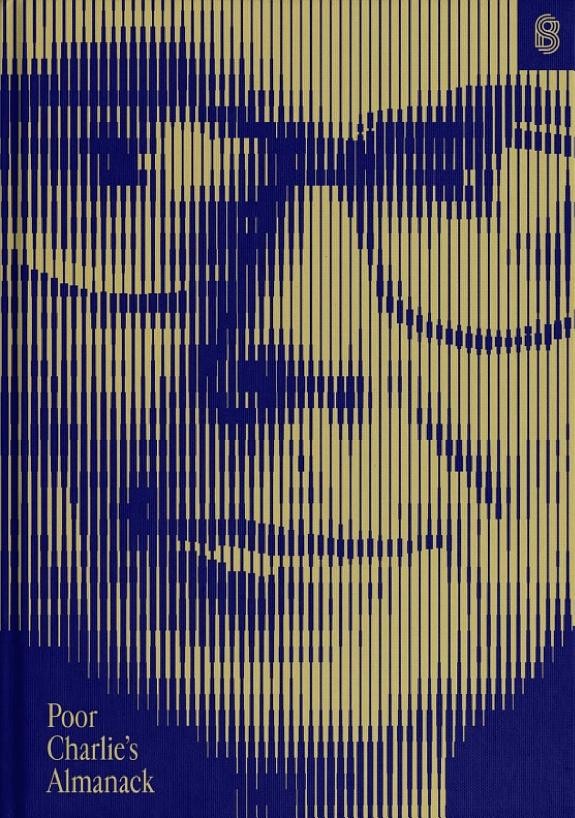
1. Poor Charlie’s Almanack by Charles T. Munger
THE IDEA: This collection of talks, compiled by Peter D. Kaufman, brings together Munger’s thinking, including his idea of drawing on many disciplines, a ‘latticework’ of mental models, when approaching a problem.
THE PLAY: Pick a problem you face and ask what two or three different fields would say about it.
THE 30-DAY TEST: Reading one talk a week and noting one idea to apply would make a good month.
Who it is for: Suits readers who like wide-ranging ideas and an investor’s perspective.
One honest weakness: It is a collection rather than a single argument, so the pieces vary in length and in how closely they relate to everyday decisions.
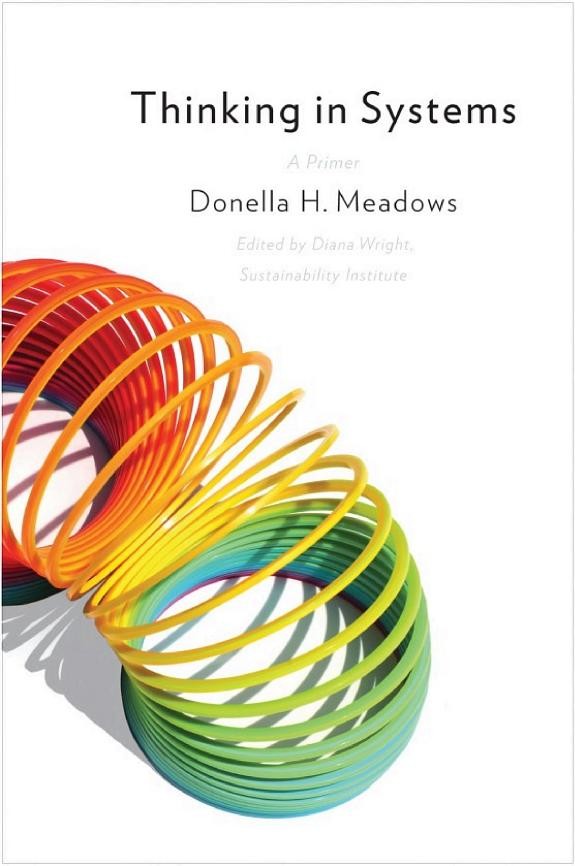
2. Thinking in Systems by Donella H. Meadows
THE IDEA: Meadows offers a primer on systems thinking, with ideas such as stocks and flows, feedback loops and leverage points. It shows how the structure of a system can shape what happens within it.
THE PLAY: Draw a simple loop for a problem you know well, showing what feeds what, and look for where a small change might matter.
THE 30-DAY TEST: Try mapping one recurring problem at work as a system over the month, and share the map with a colleague if you like.
Who it is for: Helpful for anyone who works with processes, organisations or complex problems.
One honest weakness: It is a compact book, though its ideas take time to absorb and the examples cover a wide range.
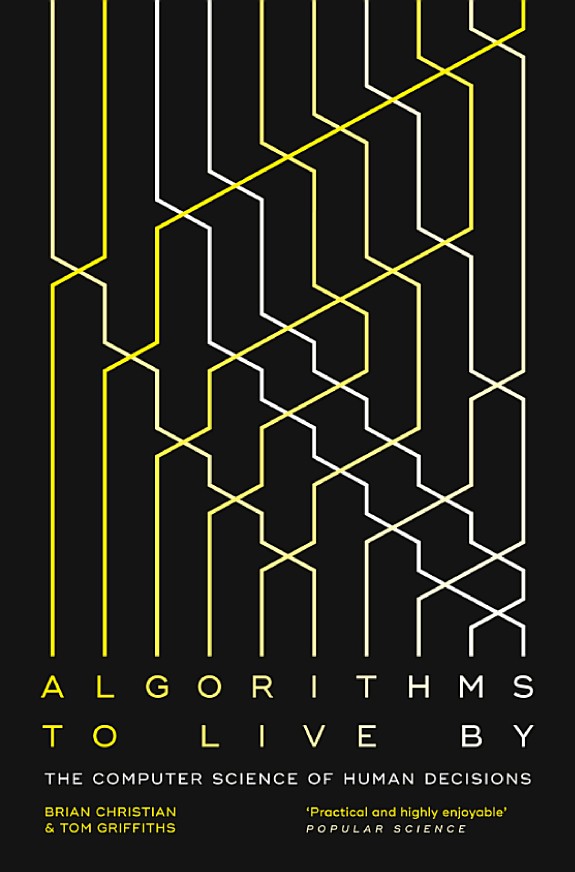
3. Algorithms to Live By by Brian Christian and Tom Griffiths
THE IDEA: The authors apply ideas from computer science, such as when to stop searching and how to balance exploring and exploiting, to everyday choices.
THE PLAY: Next time you search for something, such as a hire or a supplier, decide in advance how many options you will look at before choosing.
THE 30-DAY TEST: Test one rule of thumb from the book on a real choice, and note how it went.
Who it is for: Readers who enjoy ideas from mathematics and computing may like its approach.
One honest weakness: The book works with clearly defined problems, so applying its ideas to real choices takes some adaptation.
Clear thinking
4. The Art of Thinking Clearly by Rolf Dobelli
THE IDEA: In short chapters, Dobelli sets out many common thinking errors, each with a brief explanation and example.
THE PLAY: Choose one bias per week and look for it in your own decisions.
THE 30-DAY TEST: A chapter a week makes a gentle month, with one note on where the bias showed up.
Who it is for: Good for anyone who prefers short, dip-in chapters to a long argument.
One honest weakness: The chapters are brief by design, so readers who want more of the underlying research may wish to look further into topics that interest them.
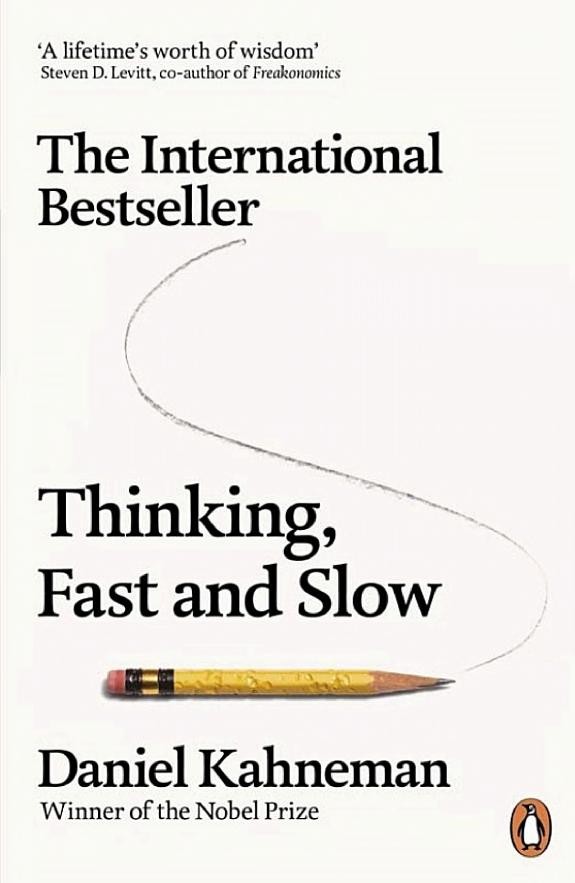
5. Thinking, Fast and Slow by Daniel Kahneman
THE IDEA: Two modes of thought sit at the centre of this book: one fast and intuitive, the other slower and more deliberate. Kahneman shows how the fast mode can lead to systematic errors.
THE PLAY: Before an important decision, pause and ask which parts of your thinking are quick impressions and which have been checked.
THE 30-DAY TEST: Note down three decisions this month with the reasoning behind them, then review the notes later.
Who it is for: Of interest to readers who want to see the foundations of the field set out by one of its researchers.
One honest weakness: It is a long book with a great deal of detail, so some readers take it in sections over several weeks.
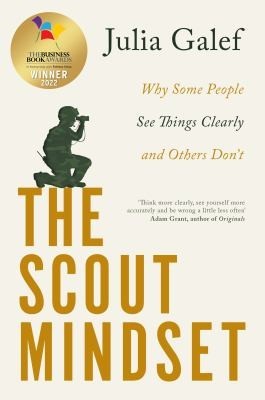
6. Scout Mindset by Julia Galef
THE IDEA: Galef contrasts a ‘soldier’ mindset, which defends what we already believe, with a ‘scout’ mindset, which tries to see things as they are. The book offers ideas for being more honest in your own reasoning.
THE PLAY: When you disagree with someone, try describing their view in terms they would accept before you reply.
THE 30-DAY TEST: If you like, note one belief this month that you hold less firmly than you did, and what changed your mind.
Who it is for: Useful if you want a practical, readable approach to clearer judgement.
One honest weakness: It is about attitude and habits more than formal methods, so it pairs well with a more technical book.
Bigger ideas
7. Gödel, Escher, Bach by Douglas R. Hofstadter
THE IDEA: Hofstadter explores ideas such as self-reference, patterns and the nature of minds, weaving together mathematics, art and music.
THE PLAY: Take one idea, such as self-reference, and see whether it shows up in a field you know.
THE 30-DAY TEST: Read a few pages at a time over the month, and keep a note of one idea that stayed with you.
Who it is for: For patient readers who enjoy puzzles, wordplay and big ideas.
One honest weakness: It is a substantial read that takes time and patience, so it is not the quickest route to a practical tool.
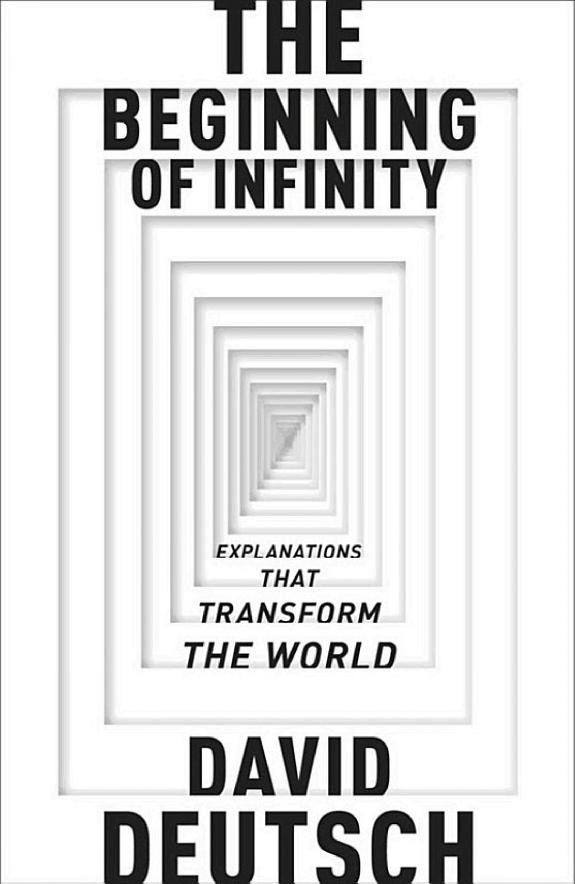
8. The Beginning of Infinity by David Deutsch
THE IDEA: Deutsch, a physicist, argues that progress comes from finding good explanations, meaning explanations that are hard to vary without losing their power. He applies the idea to science, politics, art and more.
THE PLAY: When you meet an explanation, ask what it would take to show it wrong and whether it could be varied at will.
THE 30-DAY TEST: Over the month, read a chapter a week if you can, and jot down how you might test one explanation in your own field.
Who it is for: A fit for readers who enjoy weighing ambitious arguments, including ones they may not accept.
One honest weakness: Readers may weigh some of its arguments differently, and the book asks for steady attention.
A model-of-the-month plan
Reading about models is useful, but using them is better. Here is a simple monthly routine you can repeat with a new model each month.
- Week 1, choose: Pick one model, such as a feedback loop, an incentive or the idea of a base rate, and write it in one sentence.
- Week 2, spot it: Look for the model in three real situations at work or in the news, and note what it explains.
- Week 3, test its limits: Find a case where the model fits poorly, and write down what it leaves out.
- Week 4, use it: Apply the model to one decision, and afterwards write a short note on whether it helped.
A suggested reading order
- Begin with The Art of Thinking Clearly or Scout Mindset for accessible habits of clear thinking.
- Read Thinking in Systems for a first systematic model.
- Add Poor Charlie’s Almanack and Algorithms to Live By to widen your toolkit.
- Take on Thinking, Fast and Slow for the research behind many thinking errors.
- Try The Beginning of Infinity and Gödel, Escher, Bach when you are ready for something more ambitious.
Related guides on CROWNLEIGH
A few of our other CROWNLEIGH Book Club guides connect closely with this list:
- Better choices, in our guide to the best books on decision-making.
- Two of Kahneman’s books side by side, in our guide to Thinking, Fast and Slow and Noise.
- Forecasting and prediction, in our guide to Superforecasting and The Signal and the Noise.
- Thinking about rare events, in our guide to books like The Black Swan.
- Habits of mind, in our guide to books like Mindset.
You can find all of these, and more as we add them, on our CROWNLEIGH Book Club page.
Frequently asked questions
What are mental models?
Mental models are simple representations of how something works, such as a feedback loop or an incentive, that you can apply across different situations. They help you explain what you see and think about what might happen next. Because every model simplifies, it helps to know where each one stops working.
What is the best book on mental models?
It depends on what you want. For a wide-ranging collection of ideas, try Poor Charlie’s Almanack. For a first systematic model, try Thinking in Systems. For habits of clear thinking, try The Art of Thinking Clearly or Scout Mindset.
How do I improve critical thinking?
Common suggestions include asking what evidence would change your mind, looking for views that differ from your own, separating facts from interpretations and writing down your reasoning so that you can review it later. The model-of-the-month plan above is one way to practise steadily.
A closing thought
Collecting models is less important than using them with care. You might choose one idea from these books, apply it to something real and ask where it falls short. That habit of checking is a good one to build.
Book links go to Amazon; see our advertising disclosure.