Books on Wealth Psychology and Money Mindset
Eight books on money mindset and wealth psychology, from The Psychology of Money and The Millionaire Next Door to Think and Grow Rich and Rich Dad Poor Dad, with a note on which are research-based and which are motivational.
How people think and feel about money can matter as much as how much they know about it. Habits, beliefs, fears and the stories we tell ourselves shape how we earn, spend, save and invest. A long shelf of books tries to change those patterns, but they differ a good deal in method: some rely on research, some on stories and parables, and some on motivation and belief.
This list gathers eight books on wealth psychology and money mindset, and says plainly what kind of book each one is. For each we give the core idea, a ‘play’, a 30-day test, who it suits and one honest weakness. There is also a quick-pick table, a note on how to read this kind of book, a suggested reading order and some frequently asked questions.
How we chose
We looked for books that are widely read and that address the behaviour behind money decisions rather than only the mechanics. We included research-based books, books of stories and parables, practical plans and motivational works, and we label each so you can judge what you are reading. Inclusion is not endorsement of every claim. The list has eight books, and the quick-pick table can help you choose a starting point.
Quick-pick table
| Book | What kind of book it is | Best for |
|---|---|---|
| The Psychology of Money | Essays and stories about behaviour | Understanding how emotions shape money choices |
| The Millionaire Next Door | Based on surveys of wealthy households | Seeing how everyday habits relate to wealth |
| The Richest Man in Babylon | Parables about saving and investing | Simple principles in story form |
| Rich Dad, Poor Dad | Personal story and opinion | Prompting new questions about work and assets |
| Think and Grow Rich | Motivational philosophy of achievement | Inspiration and goal-setting |
| The Total Money Makeover | A practical, step-by-step plan | Getting out of debt with a clear structure |
| How to Be Rich | An industrialist’s advice and reflections | One businessman’s view of business and money |
| Fooled by Randomness | A reflective essay on luck and probability | Understanding the role of chance |
These books are general reading, not personal financial advice. It helps to separate three things as you read: evidence, which can be checked; experience, which is one person’s story; and motivation, which can encourage you but cannot be tested. Each has a use, and it is worth knowing which one you are getting. For decisions about your own finances, consider speaking with a qualified adviser.
Eight books on money and mindset
1. The Psychology of Money by Morgan Housel
THE IDEA: Housel argues that how we behave with money matters at least as much as what we know, and he explores ideas such as luck, risk, and the value of enough through short stories. It is a book of essays rather than a research study.
THE PLAY: Write down what ‘enough’ means for you, in plain words, and consider how it shapes your choices.
THE 30-DAY TEST: Once or twice during the month, note a money decision in which emotion played a part, and what you might do differently.
Who it is for: A readable, thoughtful introduction for anyone new to money behaviour.
One honest weakness: It is built on stories and observations rather than a formal study, so it works best as a prompt for reflection.
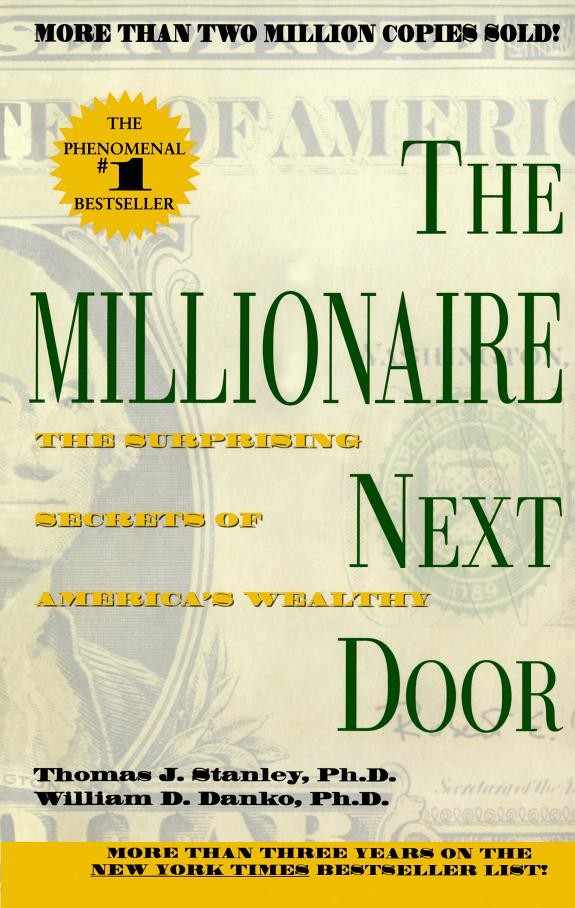
2. The Millionaire Next Door by Thomas J. Stanley and William D. Danko
THE IDEA: Drawing on research into wealthy households in the United States, the authors describe habits that many of them shared, such as living below their means. The book challenges the idea that wealth is always on display.
THE PLAY: Pick a few recent purchases and ask which reflect your values and which reflect habit or image.
THE 30-DAY TEST: If you are comfortable doing so, track your spending for a month and sort it into what you value and what you don’t.
Who it is for: Suits readers who like a research-based look at everyday habits and wealth.
One honest weakness: It describes patterns in a particular group at a particular time, so its findings may not apply to everyone today.
3. The Richest Man in Babylon by George S. Clason
THE IDEA: This set of parables, set in ancient Babylon, presents simple principles about saving, investing and protecting what you earn. It is written as stories rather than as an analysis.
THE PLAY: Consider whether a small, regular amount could be put aside first, if that suits your circumstances, and notice how it feels to treat saving as a habit.
THE 30-DAY TEST: For four weeks, you could set aside a fixed amount at the start of each week, or simply note what gets in the way.
Who it is for: People who enjoy short, simple stories with a clear lesson.
One honest weakness: The advice is general and told as fable, so it does not address modern financial products or circumstances.
4. Rich Dad, Poor Dad by Robert T. Kiyosaki
THE IDEA: The book sets the money attitudes of two father figures side by side, and Kiyosaki argues for building assets rather than relying only on a salary. It is a personal story and opinion, written in a motivational style.
THE PLAY: List what you own that could earn money or grow in value, and what costs you money each month.
THE 30-DAY TEST: Choose one idea from the book, read about it in a second source and compare what you find.
Who it is for: Those who want a motivational prompt to think differently about work and assets.
One honest weakness: The stories are presented as personal lessons, so readers may wish to check specific claims and advice independently.
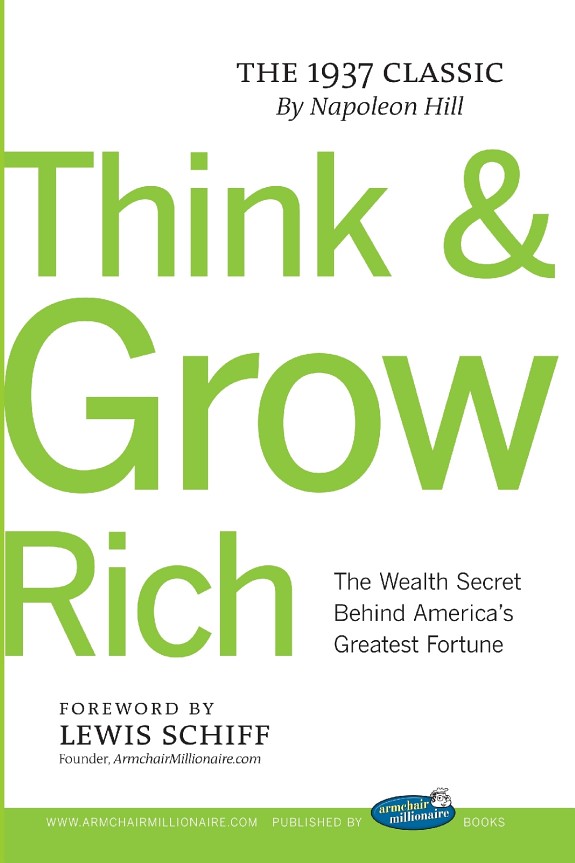
5. Think and Grow Rich by Napoleon Hill
THE IDEA: Hill presents a philosophy of achievement based on belief, desire and persistence, drawing on accounts of successful people. It is motivational in aim and spirit.
THE PLAY: Write down one specific goal with a date, and the first step you could take this week.
THE 30-DAY TEST: Once a week for a month, review the goal you wrote down and note your progress.
Who it is for: A fit for readers who enjoy motivational writing about goals and persistence.
One honest weakness: It is motivational rather than evidence-based, so many readers treat it as inspiration rather than a tested method.
6. The Total Money Makeover by Dave Ramsey
THE IDEA: Ramsey sets out a step-by-step plan, beginning with a small starter emergency fund and then paying off debts from smallest to largest, aimed at changing financial habits.
THE PLAY: If you have debts, list them from smallest to largest and decide on a first step you could take.
THE 30-DAY TEST: If it suits you, try that first step for a month and note what helped.
Who it is for: Readers who want a clear, structured plan and some encouragement.
One honest weakness: The plan is a single approach with firm rules, so some readers will want to compare it with other methods.
7. How to Be Rich by J. Paul Getty
THE IDEA: Getty, an oil industrialist, shares his reflections on business, money and success. It reflects the view of one businessman.
THE PLAY: Read it as a window into one person’s approach, and ask which ideas you would adopt and which you would not.
THE 30-DAY TEST: Pick one lesson per week and write a line on whether it applies to your situation.
Who it is for: Anyone curious about the views of a well-known businessman.
One honest weakness: It reflects a single businessman’s outlook, so readers may want to weigh it alongside other perspectives.
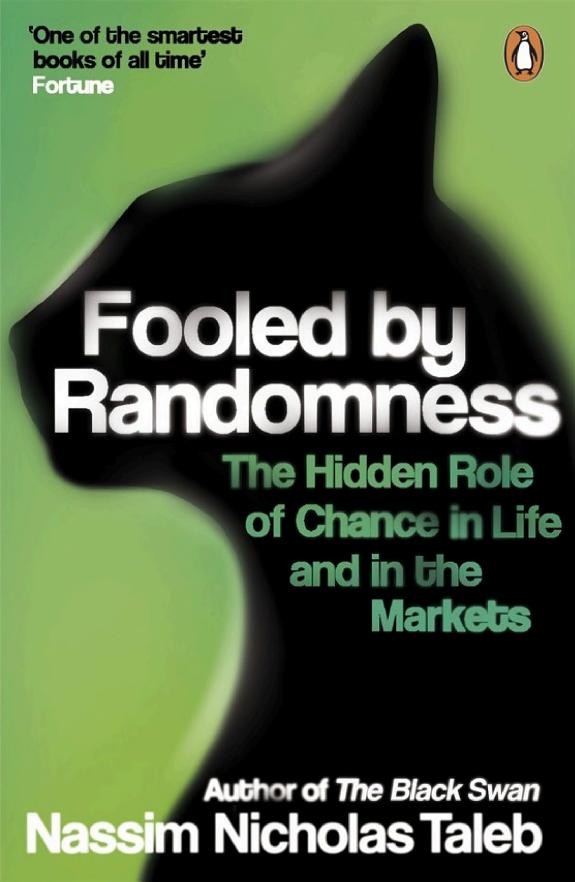
8. Fooled by Randomness by Nassim Nicholas Taleb
THE IDEA: Taleb explores how luck and randomness shape outcomes and how people tend to mistake chance for skill. It is a reflective essay about probability and uncertainty rather than a guide to saving.
THE PLAY: When you hear a success story, ask how much might have been luck, and how many unseen cases ended differently.
THE 30-DAY TEST: Over a month, jot down a few outcomes that you attributed to skill, and consider how much chance may have played a part.
Who it is for: Suited to readers who enjoy ideas about uncertainty and don’t mind a distinctive style.
One honest weakness: It is a reflective essay rather than a practical plan, so readers wanting steps to follow may prefer another title.
A suggested reading order
- Begin with The Psychology of Money for a readable introduction to behaviour.
- Add The Millionaire Next Door for a research-based look at habits.
- Read The Total Money Makeover if you want a structured plan for debt.
- Try The Richest Man in Babylon for simple principles in story form.
- Read Fooled by Randomness to think about luck and uncertainty.
- Finish with Rich Dad, Poor Dad, Think and Grow Rich and How to Be Rich as motivational and reflective reading, keeping the note about evidence in mind.
Related guides on CROWNLEIGH
A few of our other CROWNLEIGH Book Club guides connect closely with this list:
- More reading after a modern favourite, in our guide to books like The Psychology of Money.
- Two views of building wealth, in our guide to Rich Dad Poor Dad and The Millionaire Next Door.
- Motivation and money, in our guide to Think and Grow Rich and Rich Dad Poor Dad.
- Behaviour and investing, in our guide to The Intelligent Investor and The Psychology of Money.
- Thinking about luck and rare events, in our guide to books like The Black Swan.
You can find all of these, and more as we add them, on our CROWNLEIGH Book Club page.
Frequently asked questions
Do money mindset books work?
They can help some readers notice habits and beliefs, and a book can be a useful prompt to change. But reading alone may not change behaviour, and the books differ in how much evidence supports them. The 30-day tests above are designed to turn ideas into small, practical steps.
What is the best book on financial behaviour?
For a readable, thoughtful introduction, many readers start with The Psychology of Money. For a research-based look at habits, try The Millionaire Next Door. For a practical plan, try The Total Money Makeover.
Which wealth book is best for entrepreneurs?
It depends on what you want. Rich Dad, Poor Dad is written in a motivational style about assets and work, and Think and Grow Rich focuses on goals and persistence. Fooled by Randomness is a useful counterweight for anyone building a business, because it asks how much of success might be luck. As with any money book, check specific claims against other sources.
A closing thought
The most useful money books are those that lead to a small change you can keep. You might choose one idea from these pages, try it for a month and see what you notice. A small experiment is enough to start.
Book links go to Amazon; see our advertising disclosure.